

- Receive many tooth extractions in our Lehi office
- Stay more comfortable with anesthesia and sedation options
- Plan for healing and tooth replacement when appropriate
Tooth Removal
Remove a Problem Tooth When It Cannot Be Saved
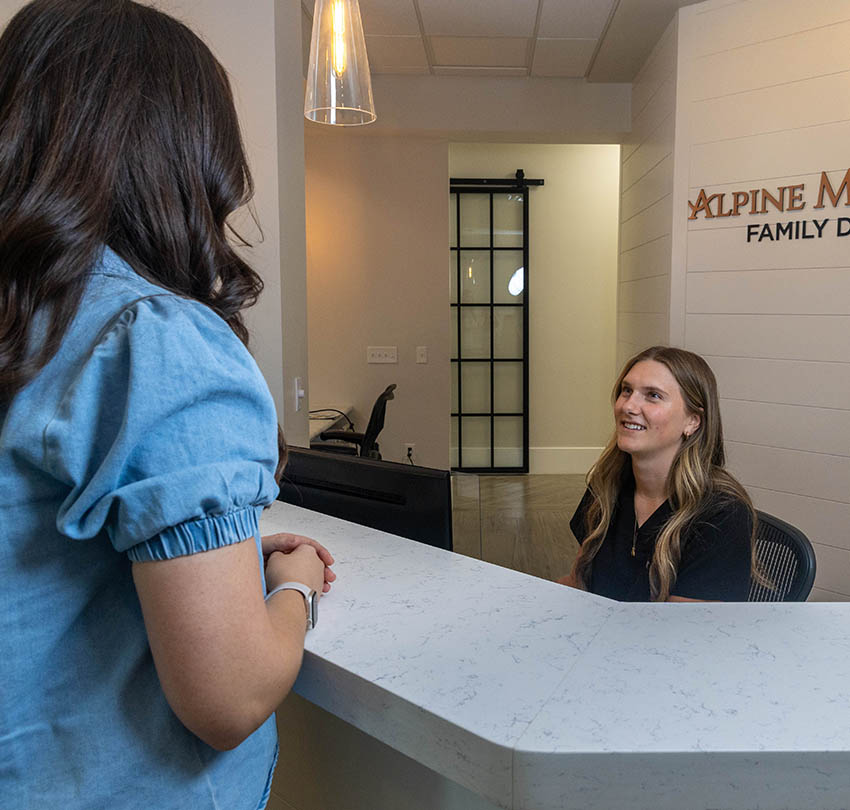
Protect Your Oral Health With Tooth Removal in Lehi, UT
Our first choice is to preserve your natural tooth whenever doing so is appropriate. Sometimes, however, a tooth is too damaged, infected, or otherwise compromised to be predictably restored. In those situations, removing it may be the healthiest next step.
At Alpine Meadows Family Dental, we perform many tooth extractions in our Lehi office. Before recommending removal, we will evaluate the tooth, explain what is happening, and discuss whether it can reasonably be saved.
A tooth extraction may be recommended when:
- Severe decay has destroyed too much healthy tooth structure
- A tooth is significantly cracked, fractured, or damaged
- An infection cannot be predictably resolved while preserving the tooth
- Advanced gum disease has left a tooth without adequate support
- A tooth is impacted or unable to erupt normally
- Space is needed as part of certain orthodontic treatment plans
- A damaged or failing tooth needs to be removed before tooth replacement
Removing a tooth is sometimes only the first part of a larger treatment plan. If the tooth needs to be replaced, we can discuss your options and consider that future restoration when planning the extraction.
Call (801) 515-4412 to schedule a consultation for tooth removal at Alpine Meadows Family Dental in Lehi, UT.
Know What to Expect From a Tooth Extraction
Determine Whether the Tooth Can Be Saved
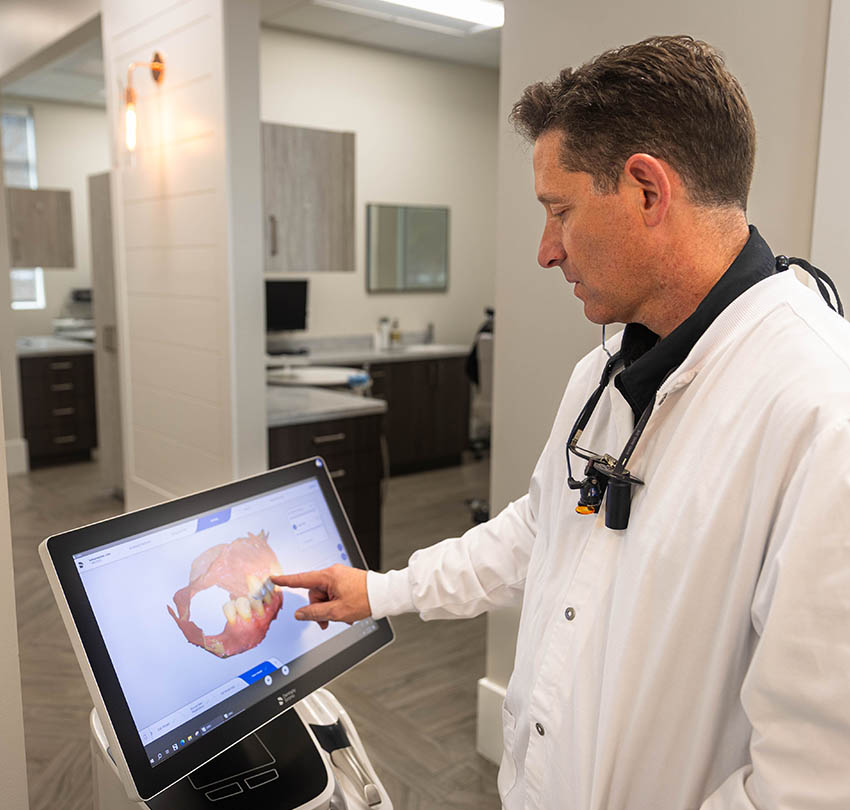
A painful tooth does not automatically need to be removed. Depending on what is causing the problem, a filling, dental crown, root canal treatment, periodontal care, or another procedure may allow us to preserve it. We will examine the tooth and use digital X-rays or CBCT 3-D imaging when appropriate to better understand its condition and the surrounding anatomy. If extraction is recommended, we will explain why preserving the tooth is no longer the best option.
Understand How a Tooth Is Removed
Not all extractions are the same. The procedure depends on the tooth’s position, condition, and surrounding bone. A simple extraction may be appropriate when the tooth is visible above the gumline and can be removed without a more involved surgical approach.
A surgical extraction may be necessary when a tooth is broken near or below the gumline, impacted, or otherwise difficult to access. In these cases, additional steps may be needed to safely remove the tooth.
We perform many extractions in our office, allowing you to receive surgical care from a team you already know. If your situation would be better managed by a specialist, we will explain that and help coordinate appropriate care.
Local anesthesia is used to numb the treatment area. If you experience dental anxiety or are having a more involved procedure, sedation may also be an option.
Consider What Comes After an Extraction
Removing a tooth can affect the surrounding bone and, depending on its location, may leave a space that should eventually be restored. If you are considering a dental implant, we may discuss ridge preservation at the time of your extraction. Placing grafting material in the extraction site can help maintain bone in the area as it heals and may help prepare the site for future implant treatment.
Not every extracted tooth needs to be replaced. Wisdom teeth, for example, generally do not require replacement. For other teeth, your options may include:
- A dental implant and crown
- A dental bridge
- A partial denture
- Another restorative solution based on your individual needs
Planning ahead can be particularly important if you are interested in dental implants. We can consider your eventual tooth replacement before the extraction takes place rather than waiting until after the area has healed.
Feel More Comfortable During Your Procedure
It is understandable to feel nervous about having a tooth removed. We will explain the procedure beforehand so you know what to expect and have an opportunity to ask questions.
Depending on your health, level of anxiety, and the type of extraction, sedation options may include nitrous oxide, oral conscious sedation, or general anesthesia. Our office also offers pillows, blankets, and TVs to help you feel more comfortable during your visit.
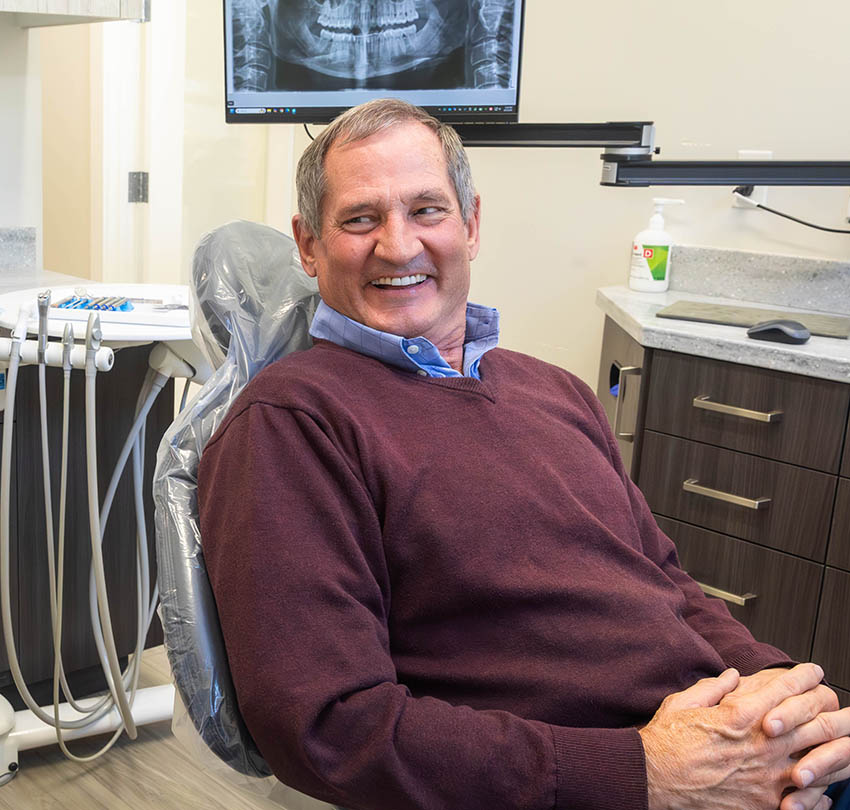
Support Healing After Your Extraction
Before you leave our office, we will give you instructions for caring for the extraction site. Following these directions can help protect the blood clot that forms in the socket and support normal healing.
Your instructions may include guidance about:
- Controlling minor bleeding after the procedure
- Managing swelling and discomfort
- Choosing appropriate foods during the early stages of healing
- Keeping the area clean without disturbing the extraction site
- Avoiding smoking, straws, and other activities that can interfere with the blood clot
- Knowing which symptoms should prompt a call to our office
Healing time varies depending on the type of extraction and your individual health. We will let you know what to expect based on your procedure and whether a follow-up visit is needed.
If you have a severely damaged, painful, or problematic tooth, call (801) 515-4412 to schedule a consultation for tooth removal in Lehi, UT.
Why People Love Alpine Meadows Family Dental
Great folks all around! Dr. Baird and his team of hygienists are always thorough and knowledgeable. Never trying to push any unnecessary services on you, always trying to find the …
Read MoreAthen J.
Great folks all around! Dr. Baird and his team of hygienists are always thorough and knowledgeable. Never trying to push any unnecessary services on you, always trying to find the best option for you.
Phenomenal doctor and staff. EVERYONE is very professional yet personable and friendly. I have been a patient for over a dozen years and am so grateful for the top quality …
Read MoreRichard A.
Phenomenal doctor and staff. EVERYONE is very professional yet personable and friendly. I have been a patient for over a dozen years and am so grateful for the top quality care I always receive. My health and well being is always their top priority. I travel over an hour just so I can come to these wonderful people!
I have been a dentist for 43 years and finally retired last year. As the time approached for my wife and I to have our dental exams and cleanings I …
Read MoreTerry P.
I have been a dentist for 43 years and finally retired last year. As the time approached for my wife and I to have our dental exams and cleanings I have been very perplexed as to how to find a dental office that would meet my high standards for care. I remembered that I had met Dr. Baird at a practice management seminar I had attended in San Antonio 2 years ago. I gave his office a call to schedule. I am pleased to say that I am absolutely happy with our experience at his office. From the first phone call I knew I was in the right place. Every member of his team are very qualified, professional and very friendly. Janees, the office manager, was knowledgeable and efficient. Kenedee, the assistant, was personable and competent. My wife and I found Erin and Rebecca, the hygienists, to be gentle yet thorough. Dr. Baird was caring, friendly, thorough and knowledgeable. No one was in a hurry and we were treated as people not numbers. I feel very comfortable having Alpine Meadows Family Dental as our new dental home and would highly recommend them for your dental care.
Everyone was so friendly. Discussions concerning any dental concerns was clearly explained. Everyone was concerned about the best way to provide needed care in the best possible way that would …
Read MoreCindy Z.
Everyone was so friendly. Discussions concerning any dental concerns was clearly explained. Everyone was concerned about the best way to provide needed care in the best possible way that would help benefit the patient medically and financially. Everyone is very professional and knowledgeable about their designated Jobs. Dr Baird is wonderful! He is an excellent Dentist. He is also kind, gentle and caring.
This practice is like none I’ve ever experienced…and I’ve lived all over the country…and worked in 3 practices as an assistant. This office takes (no makes) time to get to …
Read MoreCarin P.
This practice is like none I’ve ever experienced…and I’ve lived all over the country…and worked in 3 practices as an assistant. This office takes (no makes) time to get to know their new patients. They don’t just say hello and ask you to open up. They want to understand the person who lives with their smile. They want to understand the patient’s issues with their own teeth, both pain related but also esthetic issues that effect their self-confidence.
The staff is all VERY friendly and we laughed and engaged a lot! The dentist doesn’t act rushed to move onto the next chair.
There are video screens in the ceilings to distract patients too.
I love how during the initial exam they showed me the pictures they took of all my teeth and explained everything they saw. I’d never had actual pictures taken of my teeth (not just xrays…actual pictures) and it was very informative because we can’t see our own teeth like that even with a mirror. He also seems to be up on the current technology for restoring teeth.
I can’t say enough about how impressed I was with the experience. The office is also decorated in light bright decor that is very clean and inviting. They nailed every part of a dental experience to help patients feel as welcome, appreciated, and taken care of! Couldn’t recommend them more!!
I’ve been going here for years. Dr. Baird is an amazing and knowledgeable Dentist who cares about patients and staying up to date on all the the new technology and …
Read MoreLoren C.
I’ve been going here for years. Dr. Baird is an amazing and knowledgeable Dentist who cares about patients and staying up to date on all the the new technology and practices. And wait till you see what he can do with veneers!
The technicians are very well trained and take the time to make sure you are OK and comfortable. The front end is always happy and well trained in handling the scheduling and payment part of it. If you’re looking for a dentist, I highly recommend giving them a try.!
Dr Baird was recommended to me by someone who used to work at his office. I’m so glad I choose this place; everyone who I have interacted with has been …
Read MoreJessica R.
Dr Baird was recommended to me by someone who used to work at his office. I’m so glad I choose this place; everyone who I have interacted with has been so friendly and kind. I had to go back to get something fixed on my permanent retainer and Dr Baird and was very patient as we tried to figure out the problem and didn’t charge extra since it was a follow-up visit. I also appreciate how thorough he is. I would recommend this office to everyone!
I love these people. Dr Baird is funny and he also laughs at my jokes. Lol Probably just being nice. I had a 30 year old bridge which he and …
Read MoreHenry K.
I love these people. Dr Baird is funny and he also laughs at my jokes. Lol Probably just being nice. I had a 30 year old bridge which he and his assistants replaced. They are really great at explaining everything. Thoroughly.
All of the staff including the Dentist Dr. Baird, were all very nice and welcoming, not to mention very knowledgeable and informative. This was my first visit and I couldn’t …
Read MoreMelanie G.
All of the staff including the Dentist Dr. Baird, were all very nice and welcoming, not to mention very knowledgeable and informative. This was my first visit and I couldn’t be more impressed. I will be returning to have my Dental work done there. HIGHLY RECOMMEND!! 🙂
Dr Baird takes time to listen and to address your needs and concern. His team is awesome as well! I give him a 10/10, A+! He’s great with our kids …
Read MoreKatie Ann P.
Dr Baird takes time to listen and to address your needs and concern. His team is awesome as well! I give him a 10/10, A+! He’s great with our kids too!
Frequently Asked Questions About Tooth Removal
No, you shouldn’t feel pain during the procedure. Your dentist will numb the area with a local anesthetic to ensure you’re comfortable. If you have dental anxiety or want additional relief, we offer sedation options to suit your needs. You may experience some mild discomfort after the procedure, but we’ll provide you with aftercare instructions and recommend pain management options to support your recovery.
Recovery time depends on the complexity of the extraction, but most patients feel better within a few days to a week. During this time, you’ll need to follow aftercare instructions, such as avoiding hard foods, using ice packs to reduce swelling, and keeping the area clean. For more complex extractions, like wisdom teeth or multiple teeth, healing may take longer. Your dentist will monitor your progress during follow-up visits to ensure proper healing.
After your extraction, your dentist will discuss replacement options based on your needs and goals. Common solutions include dental implants, which provide a lifelike replacement for single or multiple missing teeth, and bridges that fill gaps using nearby teeth as support. If you’re missing several teeth or an entire arch, implant-supported dentures or All-on-X implants may be recommended. Replacing the tooth helps restore your bite, maintain jawbone health, and enhance the appearance of your smile.