- Complete many surgical procedures in our Lehi office
- Plan treatment with advanced imaging and technology
- Stay more comfortable with sedation options when appropriate
Oral Surgery
Receive Surgical Care in a Familiar Setting
Address Complex Dental Needs With Oral Surgery in Lehi, UT
Sometimes maintaining or rebuilding your oral health requires more than routine dental treatment. Oral surgery can address damaged or problematic teeth, prepare your mouth for dental implants, and treat certain concerns involving the gums and supporting bone.
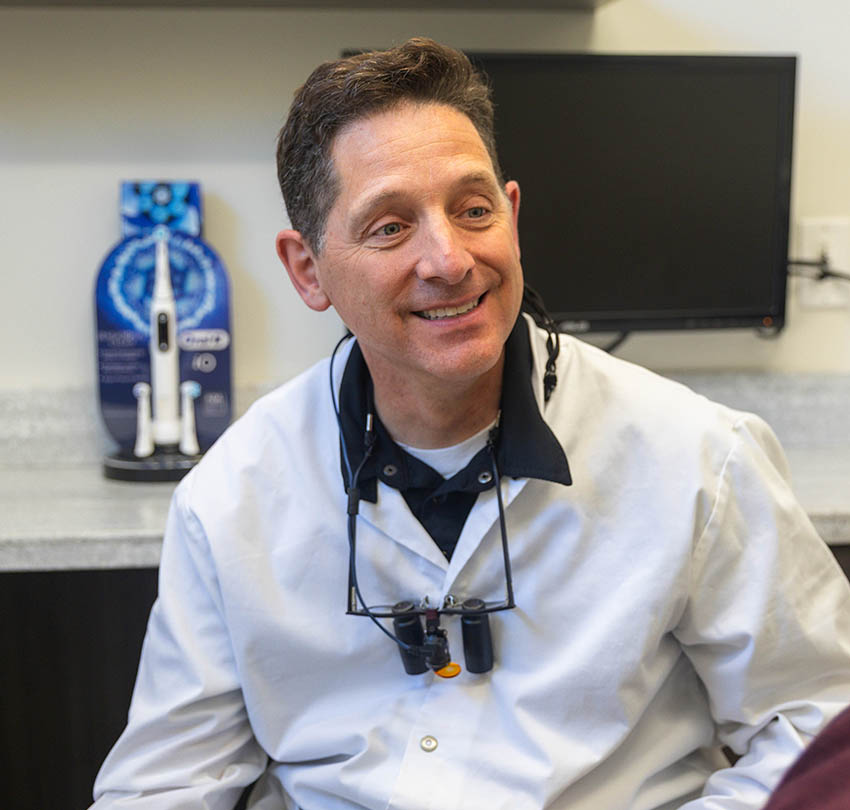
At Alpine Meadows Family Dental, Dr. Baird performs many surgical procedures right here in our Lehi office. Keeping more of your care in one familiar practice can make treatment easier to coordinate, particularly when surgery is one step in a larger restorative or implant treatment plan.
Depending on your needs, oral surgery may be used to:
- Remove a tooth that cannot predictably be preserved
- Extract problematic wisdom teeth
- Preserve or rebuild bone for future dental implant treatment
- Prepare an implant site after tooth loss
- Treat certain gum and soft tissue concerns
- Reshape excess gum tissue for functional or cosmetic reasons
- Support a larger restorative treatment plan
Surgery is not automatically the first answer to a dental problem. We will evaluate your oral health, explain what we find, and discuss whether a surgical procedure is necessary and what alternatives may be available.
Call (801) 515-4412 to schedule a consultation for oral surgery at Alpine Meadows Family Dental in Lehi, UT.
Plan Your Surgical Care With Confidence
Find the Right Treatment for Your Dental Needs
Oral surgery includes a variety of procedures, and the treatment we recommend depends on what is happening with your teeth, gums, or jawbone.
Your care may include:
- Tooth Extractions: A tooth may need to be removed when it is severely damaged, fractured, infected, or otherwise cannot be predictably restored. We will consider whether the tooth can be preserved before recommending extraction.
- Wisdom Tooth Removal: Third molars may require removal when they are impacted, difficult to keep clean, damaged, infected, or creating other oral health concerns. Not every wisdom tooth automatically needs to be removed.
- Bone Grafting: Bone grafting can be used to rebuild or augment areas of the jaw where additional bone is needed, including certain sites being prepared for dental implants.
- Ridge Preservation: After a tooth is removed, the surrounding bone naturally begins to change. Ridge preservation involves placing grafting material in or around the extraction site to help maintain the shape and volume of the ridge as it heals, particularly when future tooth replacement is being considered.
- Gum and Soft Tissue Procedures: Depending on your needs, surgical treatment may be used to address certain concerns involving the gums or other soft tissues.
- Gum Contouring: Laser technology can be used in appropriate cases to reshape excess gum tissue and change the proportions of the teeth and gumline.
Some surgical needs are straightforward, while others are more complex. If your situation would be better managed by a specialist, we can discuss that with you and help coordinate appropriate care.
We Use 3-D Imaging to Plan Treatment
With oral surgery, understanding what lies beneath the surface is especially important.
CBCT technology produces detailed 3-D images that allow us to evaluate teeth, bone, and important surrounding anatomy. This information can be particularly valuable when planning dental implant placement, evaluating impacted teeth, or considering other surgical procedures.
Instead of using technology simply because it is available, we use it when the additional information can help us plan treatment more precisely.
We will also explain what we see in your images and how those findings influence our recommendations. You should understand why surgery is being recommended, what we expect it to accomplish, and what the procedure involves before deciding to move forward.
Prepare for Your Procedure
The details of oral surgery vary considerably depending on the procedure. A straightforward tooth extraction is very different from bone grafting or more involved implant surgery.
Before your appointment, we will explain how to prepare, what will happen during treatment, and what you can expect afterward. If there are specific instructions involving eating, drinking, medications, transportation, or sedation, we will review them with you in advance.
We also want to know about your medical history, medications, and any concerns you have about treatment. This information helps us plan your care appropriately.
Helping You Stay Comfortable With Sedation Options
play a role in making the experience more manageable.
Depending on your procedure, health history, and level of anxiety, sedation options may include:
- Nitrous Oxide: Inhaled sedation that provides a mild, calming effect during treatment.
- Oral Conscious Sedation: Medication taken by mouth to provide a deeper level of relaxation while you remain conscious and responsive.
- General Anesthesia: A deeper level of anesthesia that may be appropriate for certain procedures or patient needs.
We will help determine which option, if any, is appropriate for your treatment.
Pillows, blankets, and TVs are also available to make your time in our office more comfortable.
Know What to Expect After Oral Surgery
Your recovery will depend on the procedure you receive. We will provide specific aftercare instructions and explain what is normal during healing, how to care for the treatment area, and when you should contact us with a concern.
Following those instructions is an important part of protecting the surgical site and supporting healing. We may also schedule follow-up visits to evaluate your progress and determine when you are ready for the next phase of treatment, particularly if your surgery is part of an implant or restorative plan. From planning through recovery, we want you to understand what is happening and why.
Call (801) 515-4412 to schedule a consultation for oral surgery in Lehi, UT, or request an appointment online.
Why People Love Alpine Meadows Family Dental
Great folks all around! Dr. Baird and his team of hygienists are always thorough and knowledgeable. Never trying to push any unnecessary services on you, always trying to find the …
Read MoreAthen J.
Great folks all around! Dr. Baird and his team of hygienists are always thorough and knowledgeable. Never trying to push any unnecessary services on you, always trying to find the best option for you.
Phenomenal doctor and staff. EVERYONE is very professional yet personable and friendly. I have been a patient for over a dozen years and am so grateful for the top quality …
Read MoreRichard A.
Phenomenal doctor and staff. EVERYONE is very professional yet personable and friendly. I have been a patient for over a dozen years and am so grateful for the top quality care I always receive. My health and well being is always their top priority. I travel over an hour just so I can come to these wonderful people!
I have been a dentist for 43 years and finally retired last year. As the time approached for my wife and I to have our dental exams and cleanings I …
Read MoreTerry P.
I have been a dentist for 43 years and finally retired last year. As the time approached for my wife and I to have our dental exams and cleanings I have been very perplexed as to how to find a dental office that would meet my high standards for care. I remembered that I had met Dr. Baird at a practice management seminar I had attended in San Antonio 2 years ago. I gave his office a call to schedule. I am pleased to say that I am absolutely happy with our experience at his office. From the first phone call I knew I was in the right place. Every member of his team are very qualified, professional and very friendly. Janees, the office manager, was knowledgeable and efficient. Kenedee, the assistant, was personable and competent. My wife and I found Erin and Rebecca, the hygienists, to be gentle yet thorough. Dr. Baird was caring, friendly, thorough and knowledgeable. No one was in a hurry and we were treated as people not numbers. I feel very comfortable having Alpine Meadows Family Dental as our new dental home and would highly recommend them for your dental care.
Everyone was so friendly. Discussions concerning any dental concerns was clearly explained. Everyone was concerned about the best way to provide needed care in the best possible way that would …
Read MoreCindy Z.
Everyone was so friendly. Discussions concerning any dental concerns was clearly explained. Everyone was concerned about the best way to provide needed care in the best possible way that would help benefit the patient medically and financially. Everyone is very professional and knowledgeable about their designated Jobs. Dr Baird is wonderful! He is an excellent Dentist. He is also kind, gentle and caring.
This practice is like none I’ve ever experienced…and I’ve lived all over the country…and worked in 3 practices as an assistant. This office takes (no makes) time to get to …
Read MoreCarin P.
This practice is like none I’ve ever experienced…and I’ve lived all over the country…and worked in 3 practices as an assistant. This office takes (no makes) time to get to know their new patients. They don’t just say hello and ask you to open up. They want to understand the person who lives with their smile. They want to understand the patient’s issues with their own teeth, both pain related but also esthetic issues that effect their self-confidence.
The staff is all VERY friendly and we laughed and engaged a lot! The dentist doesn’t act rushed to move onto the next chair.
There are video screens in the ceilings to distract patients too.
I love how during the initial exam they showed me the pictures they took of all my teeth and explained everything they saw. I’d never had actual pictures taken of my teeth (not just xrays…actual pictures) and it was very informative because we can’t see our own teeth like that even with a mirror. He also seems to be up on the current technology for restoring teeth.
I can’t say enough about how impressed I was with the experience. The office is also decorated in light bright decor that is very clean and inviting. They nailed every part of a dental experience to help patients feel as welcome, appreciated, and taken care of! Couldn’t recommend them more!!
I’ve been going here for years. Dr. Baird is an amazing and knowledgeable Dentist who cares about patients and staying up to date on all the the new technology and …
Read MoreLoren C.
I’ve been going here for years. Dr. Baird is an amazing and knowledgeable Dentist who cares about patients and staying up to date on all the the new technology and practices. And wait till you see what he can do with veneers!
The technicians are very well trained and take the time to make sure you are OK and comfortable. The front end is always happy and well trained in handling the scheduling and payment part of it. If you’re looking for a dentist, I highly recommend giving them a try.!
Dr Baird was recommended to me by someone who used to work at his office. I’m so glad I choose this place; everyone who I have interacted with has been …
Read MoreJessica R.
Dr Baird was recommended to me by someone who used to work at his office. I’m so glad I choose this place; everyone who I have interacted with has been so friendly and kind. I had to go back to get something fixed on my permanent retainer and Dr Baird and was very patient as we tried to figure out the problem and didn’t charge extra since it was a follow-up visit. I also appreciate how thorough he is. I would recommend this office to everyone!
I love these people. Dr Baird is funny and he also laughs at my jokes. Lol Probably just being nice. I had a 30 year old bridge which he and …
Read MoreHenry K.
I love these people. Dr Baird is funny and he also laughs at my jokes. Lol Probably just being nice. I had a 30 year old bridge which he and his assistants replaced. They are really great at explaining everything. Thoroughly.
All of the staff including the Dentist Dr. Baird, were all very nice and welcoming, not to mention very knowledgeable and informative. This was my first visit and I couldn’t …
Read MoreMelanie G.
All of the staff including the Dentist Dr. Baird, were all very nice and welcoming, not to mention very knowledgeable and informative. This was my first visit and I couldn’t be more impressed. I will be returning to have my Dental work done there. HIGHLY RECOMMEND!! 🙂
Dr Baird takes time to listen and to address your needs and concern. His team is awesome as well! I give him a 10/10, A+! He’s great with our kids …
Read MoreKatie Ann P.
Dr Baird takes time to listen and to address your needs and concern. His team is awesome as well! I give him a 10/10, A+! He’s great with our kids too!
Frequently Asked Questions About Oral Surgery
There are several circumstances that might require oral surgery. If you or your loved one has a badly damaged or diseased tooth, it may need removal. Likewise, wisdom teeth often cause problems as they emerge and need to be extracted. Other procedures like bone grafts and ridge augmentations prepare for treatments such as dental implants. Gum surgery repairs receded gums and helps them heal properly and can also balanced out an uneven gumline.
Your dental insurance or medical insurance may cover a portion of your oral surgery. We recommend you check with your individual carriers to find out what they will and won’t pay for before you have any work done. That way, there aren’t any big surprises in store for you. As a convenience, we offer third-party financing options.
The type of oral surgery you have will ultimately determine how much discomfort you feel, but rest assured our goal is always to provide the most comfortable dental care we can. For most of the oral surgery procedures we perform, over-the-counter pain relievers will take care of any discomfort. If needed, your dentist can prescribe something stronger to help you through the healing process.